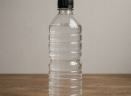

Plastic is a widely used material across various industries and everyday products. In general, plastic is made from carbon and hydrogen based chemical compounds derived from petroleum or natural gas. These compounds undergo specific chemical and engineering processes to become usable materials.
Main Basic Materials of Plastic
The primary raw material of plastic is synthetic polymers, which are created through the polymerization of monomers such as ethylene, propylene, or vinyl chloride.
These monomers are typically obtained from refined petroleum or natural gas. After chemical processing, they become plastic materials used in various industries, especially in chemical processing, coatings, and water treatment sectors.
Read Also: Material for Making Plastic Buckets: What Type of Plastic Is Suitable?
Six Most Common Types of Plastic Base Materials and Their Uses
Here are six of the most frequently used plastic base materials in heavy industry. Each possesses distinct characteristics that dictate its suitability for extreme environments, such as chemical processing, coating, and water treatment.
-
Polyethylene (PE)
Polyethylene is the most common plastic material globally, available in two variants: HDPE (High-Density Polyethylene) and LDPE (Low-Density Polyethylene). HDPE is utilized for products requiring high strength and chemical resistance, while LDPE is more flexible.
- Used for: Chemical storage tanks, wastewater pipes, industrial geomembranes
- Advantages: Resistant to harsh chemicals, crack-resistant, and very lightweight
-
Polypropylene (PP)
Polypropylene is known for its high temperature resistance and inertness to various chemicals. PP also boasts good rigidity, making it suitable for technical components.
- Used for: Pipe fittings, process tanks, industrial valves, water treatment systems
- Advantages: Heat resistant up to ±120°C, resistant to strong acids and bases, easy to mold
-
Polyvinyl Chloride (PVC)
PVC is available in rigid and flexible forms; however, in heavy industry, the rigid form is more commonly used. CPVC (Chlorinated Polyvinyl Chloride) is a variant with higher heat resistance.
- Used for: Chemical process pipes, corrosive ventilation ducts, factory wall linings
- Advantages: Flame resistant, easy to weld (plastic welding), economical
-
Acrylonitrile Butadiene Styrene (ABS)
ABS is a strong, impact resistant engineering plastic often used for components requiring structural rigidity as well as resistance to physical impact.
- Used for: Industrial gauge casings, chemical pumps, automation equipment
- Advantages: Durable, resistant to mild solvents, easy to mold
-
Polytetrafluoroethylene (PTFE)
PTFE, also known by the brand name Teflon, is ideal for applications requiring extreme chemical resistance and high temperatures. It also possesses non-stick properties and a low coefficient of friction.
- Used for: Gaskets, aggressive fluid seals, chemical reactor linings
- Advantages: Temperature resistant up to 260°C, chemically unreactive, non-stick
-
Polyvinylidene Fluoride (PVDF)
PVDF is used in applications demanding resistance to aggressive chemicals, especially strong acids and industrial solvents. It is frequently employed in the energy, chemical, and water treatment sectors.
- Used for: Chemical transfer pipes, ultrafiltration filters, electrochemical components
- Advantages: UV resistant, corrosion resistant, remains stable under high temperatures
Plastic Base Materials for the Chemical, Paint, and Water Treatment Industries
Plastics are widely utilized in heavy industries due to their resistance to corrosion, high temperatures, and pressure. Compared to metals, plastic base materials are lighter, rust-proof, and easier to process, leading to operational and cost efficiencies.
Here's how plastic base materials are used in three key industrial sectors:
- Chemical Industry
Plastics serve as a substitute for metals in handling aggressive liquids and corrosive gases. Common applications include: chemical storage tanks, reaction pipes, gaskets, and valves.
Commonly Used Plastic Materials:
- PTFE: Resistant to nearly all chemicals.
- PVDF: Suitable for strong acids and organic solvents.
- PP: Effective for mild to moderate acids and bases.
- Paint and Coatings Industry
Plastics are used for transporting and storing resins, solvents, and abrasive materials. Common applications include: paint solvent containers, mixing machine components, and distribution lines. Commonly Used Plastic Materials:
- HDPE: Resistant to friction and mild chemicals.
- ABS: Used for casings and measuring instruments in paint factory environments.
- Water Treatment Industry
Plastics are employed in water treatment systems because they are unaffected by extreme pH levels or chlorination. Common applications include: pipes, fittings, valves, and filter housings. Commonly Used Plastic Materials:
- PP: Stable across a wide range of water conditions.
- PVC: Ideal for medium pressure and chlorinated water.
- HDPE: For high-pressure water distribution.
How Does the Plastic Manufacturing Process Begin from Raw Materials?
The plastic manufacturing process starts with monomers like ethylene or propylene, which are derived from crude oil or natural gas. These monomers undergo a chemical process called polymerization to form polymers, or raw plastic material, ready to be processed into various industrial products.
Generally, the main stages in plastic manufacturing are:
-
- Monomer Selection and Extraction
Monomers such as ethylene (for PE) or propylene (for PP) are obtained from the distillation of crude oil or natural gas. These are the initial materials that determine the type of plastic produced.
- Monomer Selection and Extraction
- Polymerization
Monomers are combined in chemical reactors with the aid of catalysts to form polymer chains. The result is a polymer in liquid form or as molten basic plastic.
- Pelletization
The liquid polymer is cooled and then cut into small pellets called plastic resin. This resin is what manufacturers use to form the final product.
Once the resin is ready, the plastic forming process is carried out using various methods, depending on the needs of the industrial product:
- Injection Molding: This process is used to create high-precision technical components such as fittings, casings, and measuring tools. At Bioplast, injection molding technology is also applied in the production of durable products like chicken crates and industrial crates, designed for logistics and livestock needs.
- Blow Molding: This method is commonly used to produce hollow containers like bottles or tanks, especially for chemical liquids and household needs. Bioplast products resulting from blow molding include various types of PET bottles, such as mineral water bottles, cooking oil bottles, and strong, safe industrial chemical bottles.
- Extrusion: This technique is used to produce long, continuous shapes such as pipes, plastic sheets, and coated wires. Through the extrusion process, we produce various types of jerry cans with varying capacities and shapes, designed to meet industrial and household needs.
- Rotational Molding: This process is used to create large, hollow plastic products with uniform wall thickness and high durability. It is commonly applied for manufacturing tanks, drums, or other large containers that require extra structural strength.
After the forming process, finishing steps are performed, such as cutting, plastic welding, and the addition of additives (anti UV, anti static, or flame retardant) to improve material performance. The finished products then undergo testing to ensure their physical strength, heat resistance, and chemical stability meet industry standards.
If you'd like to contribute to reducing plastic waste while switching to more environmentally friendly products, Bioplast offers reliable solutions with a range of high quality bioplastic innovations. Learn more about how Bioplast can help you transition to greener, more sustainable plastics.