
Plastic is a widely used material in food and beverage packaging. However, not all plastics are safe to use, especially when in direct contact with food.
This article will explore the types of food-grade plastics that meet safety standards, recycling symbols to recognize, and practical tips for choosing safe and functional plastic packaging.
By understanding which plastics are safe, you can protect both your family’s health and the quality of your food and beverage products.
What Is Food-Grade Plastic?
Food-grade plastic is a type of plastic specifically designed to be safe for direct contact with food. This type of plastic has passed safety tests by organizations such as Indonesia’s BPOM and the U.S. FDA (Food and Drug Administration), and it does not contain harmful chemicals that could leach into food during storage, heating, or cooling.
This type of plastic is widely used for storing food and beverages, both at the household level and in the food & beverage, medical, and pharmaceutical industries. However, it’s still important to pay attention to how it is used to ensure optimal safety.
Why Is Choosing Food-Grade Plastic Important?
Choosing food-grade plastic is not just about practical or affordable packaging, it is a critical step to protect consumer health and maintain food quality. Plastics that are not designed for food contact can release harmful substances, especially when exposed to heat, oil, or acid. Here are the main reasons why choosing food-grade plastic is essential:
1. Prevents Contamination from Harmful Chemicals
Non-food-grade plastic may contain substances such as:
- BPA (Bisphenol A), which disrupts hormonal balance
- Phthalates, linked to reproductive system disorders
- Heavy metals like lead from recycled plastics without safety standards
These substances can migrate into food and pose health risks with continuous exposure.
2. Certified for Safety Standards
Food-grade plastics have passed safety testing and certifications from official institutions, such as:
- FDA (Food and Drug Administration) – United States
- EFSA (European Food Safety Authority) – Europe
- SNI (Standar Nasional Indonesia) – for local products
These standards ensure the plastic doesn’t react with food and is safe for long-term use.
3. Safe for Extreme Conditions
Food-grade plastic is resistant to:
- High temperatures (such as in microwaves or hot water)
- Oil and acidic ingredients, which often trigger chemical reactions in regular plastic
- Long-term storage, without altering the taste or aroma of food
4. Protects Long-Term Health
Using non-standard plastics over the long term can:
- Disrupt metabolism
- Cause toxin buildup in the body
- Affect immune systems and children’s development
Read also: Advantages of Plastic Packaging for Food Products Compared to Other Types of Packaging
Types and Characteristics of Food-Grade Plastics
To ensure food safety, it’s important to recognize the types of plastics that fall into the food-grade category and their characteristics. Here are the most common types of food-grade plastics and their typical features:
1. PET or PETE (Polyethylene Terephthalate) – Symbol 1
PET is commonly used in bottled drinks, sauce containers, and ready-to-eat food packaging. It is safe for single use but not heat-resistant and not ideal for reuse, especially if deformed.
Repeated use may cause the release of chemicals like antimony trioxide, which is harmful to health.
2. HDPE (High-Density Polyethylene) – Symbol 2
Used in milk bottles, water gallons, and food or beverage wraps. HDPE has high resistance to heat and chemicals and is safe for repeated use. It does not easily react with food, making it popular in the food and pharmaceutical industries.
3. PP (Polypropylene) – Symbol 5
Commonly used in food containers, straws, plates, forks, and children’s drink bottles. PP is heat-resistant, microwave- and freezer-safe, and chemically stable, ideal for direct consumption and repeated use.
Common Traits of Food-Grade Plastic
Food-grade plastics have several distinguishing features that set them apart from ordinary plastics. These are important to recognize so users don’t mistakenly choose packaging that can harm health when in contact with food. Some general traits include:
- Has a proper recycling code, typically numbers 1 (PET), 2 (HDPE), or 5 (PP) inside the recycling triangle symbol, usually printed at the bottom of the container
- Marked with a glass-and-fork symbol or labeled “food safe,” “food grade,” or similar food contact icons
- Odorless, does not alter the taste of food, and remains stable under heat or acidic food conditions
- Free from harmful substances such as BPA, phthalates, lead, and other toxic chemicals
- Officially certified, such as FDA approval (USA), SNI (Indonesia), or BPA-Free labeling as an added safety indicator
What Are Some Examples of Food-Grade Plastic Products Around Us?
Examples of food-grade plastic products are easily found, especially in containers and packaging that come into direct contact with food and beverages. Common examples include:
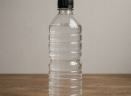
- Reusable water bottles – Usually made of HDPE or PET and safe for storing drinking water
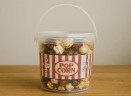
- Plastic food containers – Widely used for lunch boxes, frozen food, or home storage
- Instant food packaging – Like instant noodle cups or vacuum-sealed frozen food using PP or PET
- Disposable plastic cups for cold drinks – Often made from PET and used in cafés or fast food outlets
- Food-grade plastic cutlery (spoons, forks, straws) – Common in catering or food delivery services
- Plastic buckets for bulk food storage – Used for storing rice, sugar, or cooking oil in large quantities
These products use food-grade plastic because they are free from harmful substances, do not react with food, and meet safety standards for human consumption. Always check for food-grade labels or appropriate recycling codes before use.
Protect Your Food and Health with The Right Plastic Choice
Safe plastic packaging doesn’t just preserve food and drink quality, it also protects your health. Learn to identify food-grade plastics like PET, HDPE, and PP, and avoid risky materials like PVC, BPA, and polystyrene, especially when exposed to heat or used long-term.
For safe and hygienic food-grade plastic packaging options, visit Bioplast, which offers high-quality PET bottles and containers designed to store food and beverages effectively.
For more information, contact us at +6221-40800888 or email marketing@bioplast.co.id