
In the packaging industry, selecting the right bottle material is crucial for maintaining product quality and meeting market demands. Two commonly used plastics are PET (Polyethylene Terephthalate) and HDPE (High-Density Polyethylene). This article discusses the main differences between these plastics, their advantages, and how to choose the right packaging for your product.
What Are PET and HDPE Bottles? Definitions and Basic Characteristics
What distinguishes PET bottles from HDPE bottles? What are the characteristics of each plastic, and how are they used in food and beverage packaging? Below is a detailed explanation.
What Is PET and Its Uses?
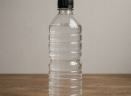
PET (Polyethylene Terephthalate) is a plastic commonly found in bottled water packaging. It is clear, lightweight, and durable. PET also has excellent carbonation pressure resistance, making it the primary choice for carbonated beverages like soda.
This plastic is transparent and glossy, providing an attractive visual appeal to consumers. PET is also used in food packaging, cosmetic products, and other applications requiring transparency and protection against external contamination.
What Is HDPE and Its Advantages?
HDPE (High-Density Polyethylene) is an opaque and sturdy plastic compared to PET. It is known for its high strength and resistance to physical damage, making it ideal for products requiring durable and long-lasting packaging.
HDPE is often used for milk bottles, cooking oil containers, cleaning products, and chemical packaging. While HDPE is generally considered food-safe due to its BPA-free and food-grade properties, not all HDPE products automatically meet food-grade standards.
Only HDPE certified by food safety regulations (such as FDA or BPOM) is truly safe for food and beverage packaging. HDPE is strong, chemical-resistant, and withstands both low and high temperatures, making it suitable for packaging requiring extra protection and durability.
Key Differences Between PET and HDPE Plastic Bottles
PET bottles are clear and lightweight, ideal for carbonated drinks like soda. They are also widely used for juice, ready-to-drink coffee, and tea packaging. Some PET bottles are even suitable for non-food products like liquid fertilizers. Meanwhile, HDPE is stronger, opaque, and better suited for packaging cooking oil, milk, and chemical or cleaning products.
Physical Differences
One of the main differences between PET and HDPE bottles lies in their color and texture. PET bottles are typically transparent and glossy, offering an appealing visual presentation and allowing consumers to see the product inside. In contrast, HDPE bottles are opaque and solid, providing a more robust and non-transparent appearance.
Functional and Packaging Applications
PET bottles are often used for beverages like mineral water, juice, and soda due to their clarity and carbonation resistance. On the other hand, HDPE bottles are more commonly used for food products that do not require transparency, such as cooking oil, milk, and household or chemical products.
Which Is Better for Your Product: HDPE or PET?
Choose PET if your product requires transparency, pressure resistance, or carbonated beverage packaging. Opt for HDPE if you need a stronger bottle that withstands low and high temperatures and is better suited for non-transparent products.
Recycling and Sustainability Differences
In terms of recycling and sustainability, PET (Resin Code #1) is relatively easy to recycle but requires special processes to remove contaminants. Meanwhile, HDPE (Resin Code #2) is more easily recycled and often repurposed for non-food products like detergent or shampoo bottles, making it a more sustainable choice for certain applications.
Both play an important role in the circular economy — a sustainable production system that minimizes waste through recycling, reuse, and continuous regeneration of natural resources.
Is HDPE Safe for Food and Beverages?
Are HDPE bottles, commonly used for milk and juice packaging, truly safe for direct food and beverage contact, considering potential chemical leaching risks?
Safety of HDPE Bottles for Beverages and Liquid Products
Generally, HDPE bottles certified as food-grade and used according to instructions are safe for food and beverage packaging. However, ensure the product has a food-safe logo or certification indicating compliance with safety standards for food contact.
HDPE bottles are safe for food and beverage packaging because they are food-grade and BPA-free. HDPE plastic does not release harmful chemicals into the contents, making it a safe choice for consumable products.
Are HDPE Bottles Heat-Resistant?
HDPE bottles can withstand temperatures up to 70°C, making them suitable for moderate heat. However, they are not recommended for microwaving or boiling water due to the risk of melting or chemical leaching. While more heat-resistant than PET, HDPE is less stable than PP (Polypropylene), which offers higher thermal resistance.
What Are the Disadvantages of HDPE?
One drawback of HDPE bottles is their opaque appearance, which prevents consumers from seeing the product inside. This can be an issue if transparency is essential for your product. Additionally, HDPE has limitations in packaging designs requiring high visual or optical detail.
Which Is Better: PET or HDPE?
Considering transparency, chemical resistance, and sustainability, which is superior PET or HDPE for specific packaging needs?
Comparison Based on Product Type and Market Needs
- PET bottles are better for products requiring transparency, carbonation resistance, and an attractive appearance, such as bottled water, juice, or soda.
- HDPE bottles are more suitable for products needing strong, safe, and low-temperature-resistant packaging, such as cooking oil, milk, or household cleaners.
Guide to Choosing Plastic Packaging Based on Functionality
| Characteristics | PET | HDPE |
| Transparency | Clear and glossy | Opaque and solid |
| Chemical Resistance | Resistant to chemicals | Resistant to chemicals |
| Temperature Resistance | Not heat-resistant | Resistant to low temperatures, but not high heat |
| Food Safety | Food-safe | Food-safe |
| Recyclability | Resin Code #1 (High) | Resin Code #2 (High) |
Bioplast’s Role in Providing High-Quality PET and HDPE Bottles
Bioplast plays a vital role in supplying high-quality PET and HDPE bottles for various packaging needs. With a focus on safety, production efficiency, and sustainability, Bioplast offers packaging solutions that meet industry standards.
Bioplast’s Support for Food and Beverage Packaging
Bioplast provides PET and HDPE plastic bottles that meet the highest safety and quality standards. Their packaging solutions are designed to enhance production efficiency while complying with food safety regulations, making them ideal for the food and beverage industry.
Consultation on Packaging Material Selection Based on Product Needs
PET and HDPE bottles each have their strengths. PET is ideal for transparent and carbonated products, while HDPE is stronger and better for products requiring physical durability and safety. The choice depends on your packaging requirements.
If you need help selecting the right packaging material for your product, Bioplast’s team is ready to assist. We offer expert guidance and optimal packaging solutions for food, beverages, and chemical products. Contact us for further consultation.