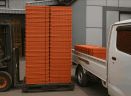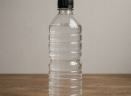

Packaging plastics we use daily, such as beverage bottles, food wrappers, and shopping bags, are all products of a chemical process called polymerization.
In the packaging industry, polymerization plays a crucial role in forming synthetic materials like polyethylene, polypropylene, and polyester, which are widely used due to their lightweight, flexibility, and durability.
What is Polymerization?
Polymerization is a chemical process in which small molecules called monomers join together to form long structures known as polymers. This process can create linear, branched, or cross-linked polymer chains, depending on the type of reaction and monomers used.
In this process, the double bonds in monomers are converted into stable covalent bonds between monomer units, forming large structures known as macromolecules.
This process is essential for producing various types of polymers, including synthetic polymers such as polyvinyl chloride and natural polymers like proteins and natural rubber.
Types of Polymerization: Addition vs Condensation
Polymerization in the modern plastics industry is generally divided into two main types: addition polymerization and condensation polymerization. Both are chemical processes to form polymer chains from monomers.
The choice of polymerization type depends on the desired properties of the plastic, including flexibility, strength, and resistance to heat or chemicals.
Here are the explanations for each type and their application in plastic resin production:
- Addition Polymerization
Addition polymerization is a process where monomers with double bonds such as ethylene or propylene join together without producing by-products. This reaction is fast and efficient, making it ideal for mass production of thermoplastic resins.
Key characteristics of addition polymerization:
- Does not produce by-product molecules during the reaction
- Monomers usually have double bonds (C=C)
- Resulting polymer structures tend to be simple and linear
Examples of addition polymers and their uses:
- Polyethylene (PE): shopping bags, plastic bottles
- Polypropylene (PP): buckets, household tools, automotive components
- Polyvinyl Chloride (PVC): pipes, electrical cables, building materials
- Polystyrene (PS): food packaging, thermal insulation
- Condensation Polymerization
Unlike addition, condensation polymerization involves a reaction between two types of monomers with active functional groups (such as OH, COOH, or NH2), producing small molecules as by-products like water or methanol. This process is commonly used to create polymers with higher structural strength and thermal stability.
Key characteristics of condensation polymerization:
- Produces by-products such as water, HCl, or alcohol
- Suitable for creating complex polymers with high mechanical properties
- Generally involves two or more types of monomers
Examples of condensation polymers and their applications:
- Nylon (PA): textile fibers, mechanical gears
- PET (Polyethylene Terephthalate): beverage bottles, food trays
- Melamine-Formaldehyde: heat-resistant utensils, furniture laminates
How Does Polymerization Occur in the Plastics Industry?
Polymerization in the plastics industry occurs in large-scale production systems strictly controlled to produce resins with consistent properties that meet application standards.
The process starts with purifying raw materials (monomers), then moves to chemical reactions in special reactors, and finally produces polymers that are processed into plastic resin pellets.
General stages of industrial polymerization:
- Monomer Preparation
Raw materials such as ethylene, propylene, or vinyl chloride are distilled and purified to ensure optimal chemical reactions without contaminants. - Polymerization Reaction
Monomers are fed into reactors (batch or continuous) along with catalysts. Here, monomers join to form long polymer chains. Temperature, pressure, and reaction time are precisely controlled to achieve the desired resin properties. - Purification and Degassing
After the reaction, unreacted gases and catalyst residues are removed to ensure the resin is free from impurities. - Extrusion and Cooling
The molten polymer is extruded into long strands and then cooled using water or air before cutting. - Pelletizing
The cooled strands are cut into small pellets (plastic resins) around 2–5 mm in size, ready for the next molding process.
The Role of Polymerization in the Plastics Industry
Polymerization plays a central role in developing modern materials used in various industrial sectors. Through this process, different types of plastic resins with special characteristics such as light weight, flexibility, heat resistance, and sterility are produced.
These advantages make polymer-based materials highly needed for technical applications and everyday consumer products.
One major sector relying heavily on polymerization is the plastics and packaging industry. Resins like PE, PP, and PET are produced through this process and used to make bottles, plastic bags, packaging films, and various containers.
The ability to mass-produce resin at relatively low costs makes plastics the main choice in the fast-moving consumer goods (FMCG) industry.
Why is Polymerization Important in Industry?
Polymerization is at the core of modern plastic resin production. Without this process, it would be impossible to mass-produce plastics with consistent physical and chemical properties.
Polymerization allows the industry to create materials that are light, strong, and meet technical specifications for various needs, from consumer products to advanced technical applications.
Here are the main reasons why polymerization is crucial in industry:
- Efficient & Flexible Production
Polymerization reactions in large-scale automated reactors produce large quantities of resin pellets at low unit costs, enabling fast and precise plastic product manufacturing to meet global market demand. - Lightweight & Durable Materials
Polymers have high strength-to-weight ratios, resist corrosion and chemicals, and remain stable at high temperatures. These properties make plastics ideal for packaging, household items, medical equipment, and automotive components. - New Material Innovations
Modern polymerization technologies, such as metallocene catalysts and bio-polymerization processes, produce new resins like bio-PE, PLA, and thermoplastic elastomers, paving the way for environmentally friendly plastics and sustainable applications across sectors.
Understanding Polymerization to Understand Modern Plastics
Both addition and condensation polymerization are chemical processes that transform monomers into polymers such as polyester and synthetic rubber. This process determines the structure and properties of materials, forming the foundation of modern packaging production for diverse industrial needs.
Need High-Quality, Eco-Friendly Plastic Packaging Solutions?
Visit Bioplast to find various polymer-based packaging products tailored to your industrial needs.
For more information, contact us at +62 21 40800888 or marketing@bioplast.co.id.
Understanding Polymerization to Understand Modern Plastics
Polymerization, whether through addition or condensation, is a chemical process that transforms monomers into polymers such as polyester and synthetic rubber. This process shapes the structure and properties of materials, serving as a fundamental basis for modern packaging production across various industrial needs.
Looking for sustainable and high-quality plastic packaging solutions? Visit Bioplast to discover a wide range of polymer-based packaging products tailored to meet your industrial needs.
For more information, contact us at +62 21 40800888 or email: marketing@bioplast.co.id.