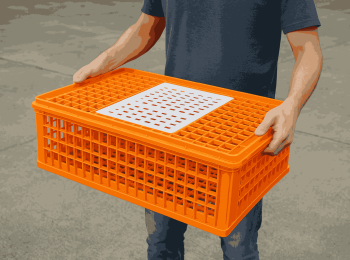
Behind the success of poultry distribution, plastic chicken crates play a vital role in maintaining farm efficiency and biosecurity.

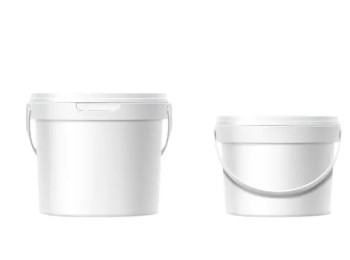
Plastic buckets are essential in many industries from food to construction thanks to their durability, chemical resistance, and cost efficiency, making them ideal for storage, transport, and industrial processes.
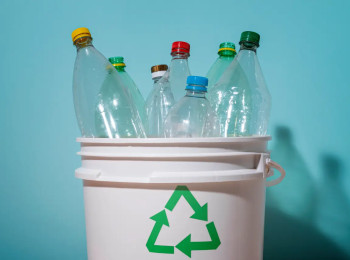
Plastic is a material that is widely used in everyday life, from food packaging, drinking water bottles, to household appliances. However, not all plastics have the same characteristics. Some types of plastic are safe to use repeatedly, while others should only be used once.
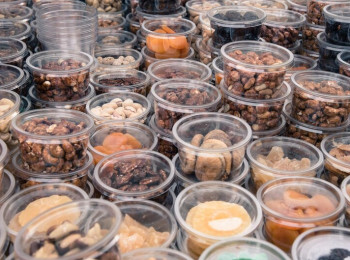
Packaging plays an essential role in the food and beverage industry. From bottles to food containers, packaging determines the durability, practicality, and safety of the product.
Plastic has become one of the top choices due to its various advantages compared to other materials such as glass, metal, or paper.
This article will explore why plastic has become the dominant choice in the packaging industry, as well as the benefits and challenges of using it. Read on!
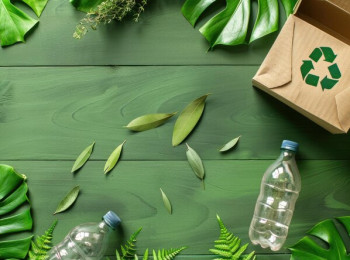
In an effort to reduce the negative impact of plastic waste on the environment, the use of environmentally friendly plastic is becoming a solution that is increasingly being encouraged. This type of plastic is designed to be easier to recycle, decompose faster, or even made from natural materials that can be biodegraded.
Specifically in the packaging industry, choosing recyclable plastics not only helps reduce plastic waste but also supports the concept of a sustainable circular economy. Here are six types of environmentally friendly plastics that can be used for sustainable plastic packaging.
In the beverage industry, PET bottle packaging has become the standard thanks to its durability, clarity, and design flexibility.
One of the key technologies that enables the production of high-quality PET bottles is Injection Stretch Blow Molding (ISBM).



Please rotate your phone to access the website