Did you know that only about 9% of the world’s plastic waste is actually recycled? The remaining millions of tons of plastic pile up in landfills, get burned, or end up in the ocean, damaging the environment. Indonesia alone produces more than 7 million tons of plastic waste every year, and most of it is not properly managed.
This condition makes plastic recycling one of the most important steps in reducing waste, saving natural resources, and minimizing pollution.
By understanding the types of plastics, the recycling process, and the environmental impact of recycling, we can see how crucial the role of every individual is, from households to industries, in creating a sustainable plastic recycling ecosystem.
Understanding Commonly Recycled Types of Plastic
From beverage bottles, shopping bags, to food packaging, almost every human activity involves plastic products. However, not all plastics can be recycled in the same way. That’s why it’s important to recognize the types of plastics commonly recycled. Here’s the explanation:
Why Is Identifying Plastic Types Important?
Each type of plastic has an identification code from 1–7 that shows the difference in chemical composition. Therefore, plastics cannot be mixed during recycling.
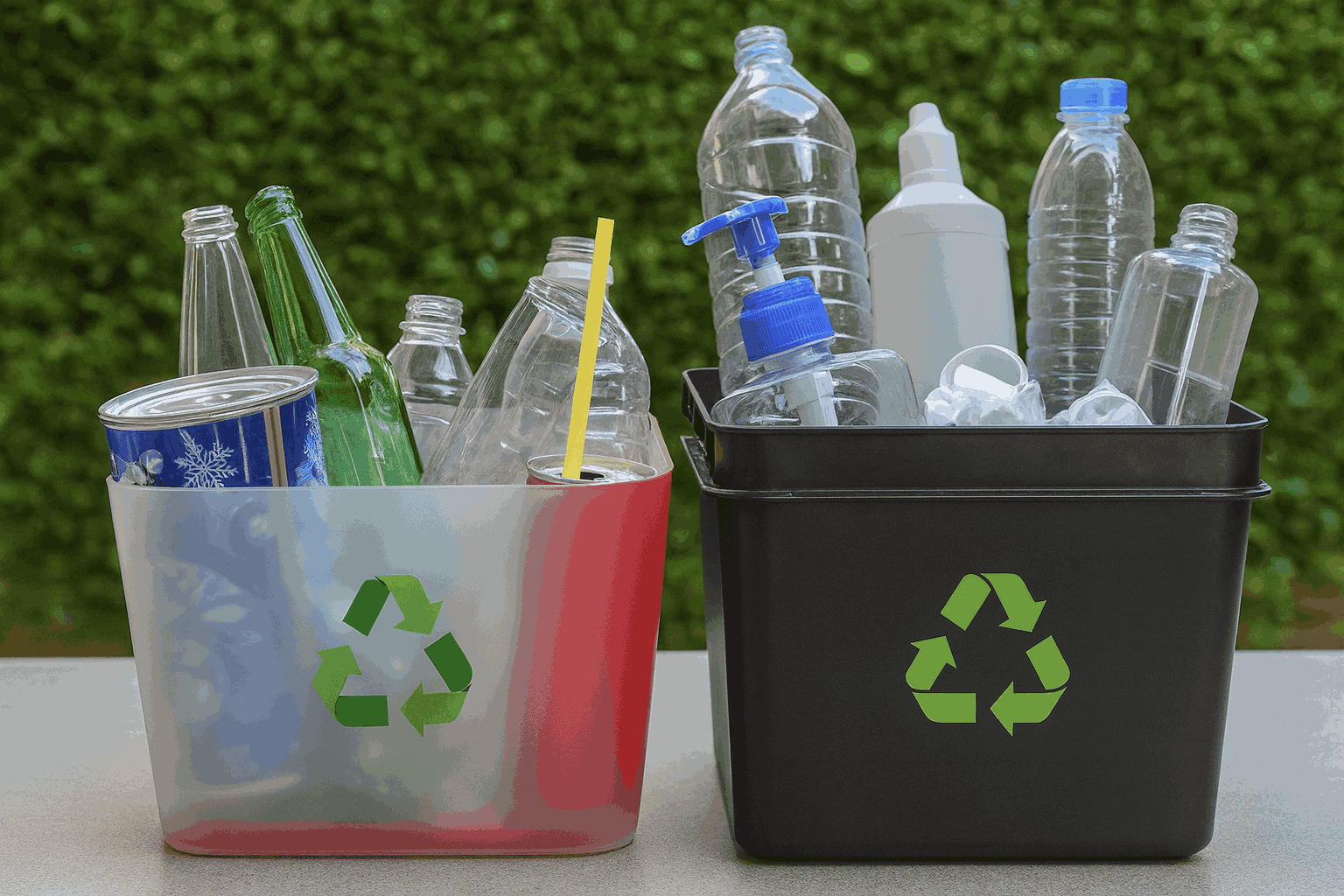
Sorting waste from the beginning is the key to successful plastic recycling. If used plastics are not separated, the recycling process may fail, and the resulting products will not have good quality. This is why separating and sorting plastic waste at the household level is very important.
The Most Commonly Recycled Plastics: PETE & HDPE
Two of the most popular types of plastics in the industry, which are easy and often recycled, are:
- PETE (#1): Commonly found in beverage bottles, juice bottles, and single-use food packaging.
- HDPE (#2): Often used for shampoo bottles, jerrycans, and bottle caps.
Both are frequently collected and processed into plastic pellets because of their high economic value. The recycling industry prefers these types because they are clean, durable, and versatile.
Recycled PETE and HDPE plastics can be turned into bags, new bottles, and household items that are safe and eco-friendly.
How Does the Plastic Recycling Process Work?
After understanding the types and how to identify them, the next step you need to know is how the stages of the plastic recycling process work. Check out the explanation below:
From Sorting to Clean Flakes
The first stage begins with collecting plastic waste from households, markets, or collection points. The waste is then separated between organic and inorganic waste. Selected plastics are cleaned to remove food residue or harmful chemicals.
Once cleaned, the plastics are shredded into small flakes. These plastic flakes will later be used in the next production process. If this process is done correctly, the cleaned plastics will become high-quality raw materials for recycling.
Melting and Forming New Products
The flakes are then dried, melted at specific temperatures, and recast into plastic pellets. These pellets are the recycled plastic products that can be sold to manufacturing plants.
Plastic pellets are reused to produce new plastic products such as textile fibers (dacron), recycled plastic bags, household tools, and non-food packaging. This way, used plastic waste can be turned into more useful materials while reducing the amount of waste in landfills and the ocean.
Understanding the Major Environmental Impact of Plastic Recycling
Recycling is not just about turning used plastic into new products, but also about how the process helps reduce plastic waste, save energy, and preserve ecosystems. Here are the major environmental impacts of plastic recycling:
Real Benefits: Reducing Waste and Carbon Emissions
One of the biggest impacts of plastic recycling is reducing the amount of plastic waste piling up in landfills, polluting rivers, or drifting into the ocean.
Without proper plastic waste management, millions of tons of waste will continue to cause environmental problems, from clogged waterways, increased flood risk, to marine ecosystem damage caused by plastics eaten by marine life. By recycling, much of this accumulated waste can be reduced and turned into useful materials.
Not only that, recycling plastic waste also helps lower carbon emissions. Producing new plastic from petroleum requires large amounts of energy during extraction, processing, and manufacturing.
In contrast, using recycled plastics requires up to 60–70% less energy. This means that every recycled plastic bottle or bag helps reduce greenhouse gas emissions that contribute to climate change.
The Role of Industries Like Bioplast in Supporting the Recycling Ecosystem
The plastic industry also plays a big role in building the recycling chain. Bioplast, for example, is committed to using fresh and pure plastics that can be recycled.
The involvement of industries like Bioplast makes recycling not only a social movement but also a sustainable business strategy.
If you want to learn more about Bioplast’s recyclable plastic-based products, contact us through the Bioplast website or via WhatsApp.
Support the green movement by recycling plastics!