Almost all plastic items we use every day, from water bottles and food containers to vehicle components, go through an advanced manufacturing process called plastic molding.
This technology has become the backbone of the modern plastics industry because it can transform plastic pellets into a wide variety of products with different shapes, sizes, and functions.
In this article, we will systematically discuss what plastic molding is, the different techniques used, the main raw materials, the resulting products, and the benefits of relying on this technology.
What are the types of plastic molding techniques?
In the plastic manufacturing industry, several methods are used to shape plastic materials into finished products. Each technique works differently depending on the shape, function, and characteristics of the product being made. Here are three of the most widely used methods:
Injection molding
Injection molding is a process in which molten plastic is injected into a closed mold under high pressure. Once the plastic fills the entire mold cavity, the material is left to cool and solidify, forming a product with the exact mold details.
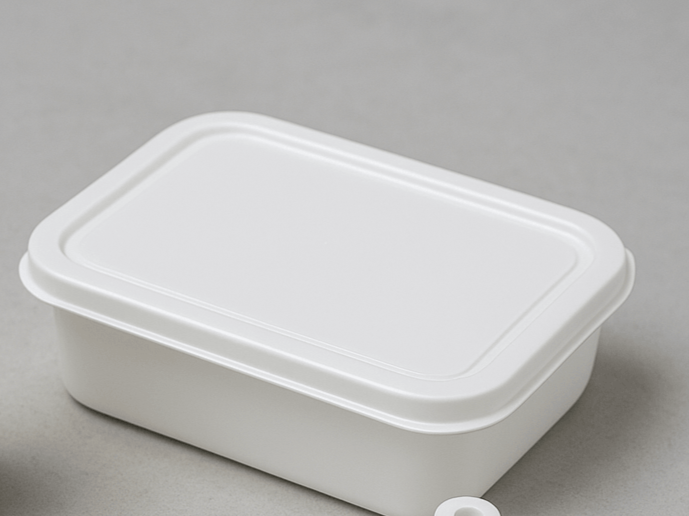
This technique is ideal for producing solid, precise products with complex details, including thicker parts. That’s why injection molding machines are relied upon to manufacture a wide range of everyday products.
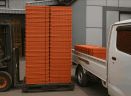
Bioplast utilizes this method to produce PP buckets and cans, as well as industrial baskets and poultry baskets. The result is products with high strength, durability, and consistent shape precision to meet industry needs.
Blow molding
Blow molding is done by blowing pressurized air into a preform (a small, heated plastic tube). The air pressure causes the plastic to expand until it adheres tightly to the mold walls, then it cools and hardens into the desired shape.
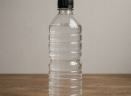
This technique is used to produce hollow products such as PET bottles. Its advantage lies in its high efficiency for mass production, resulting in lightweight yet strong products.
Bioplast applies blow molding technology to manufacture various PET bottles and plastic gallon containers. With this method, we are able to deliver PET bottles in a wide range of sizes, with consistent quality, ready to meet the needs of the beverage and pharmaceutical industries.
Extrusion blow molding (EBM)
Extrusion Blow Molding (EBM) begins by melting plastic and extruding it into a long tube called a parison. The parison is then clamped inside a mold, and pressurized air is blown in, causing the plastic to expand and adhere to the mold walls. Once cooled, the mold is opened and the product is released.
EBM is highly effective for producing hollow plastic products with larger sizes, complex shapes, or thicker volumes. The process is flexible and can be used to manufacture containers with stronger necks, such as jerrycans and other HDPE bottles.
Also Read: Trusted Plastic Packaging Injection Moulding Services
What plastics are used in the molding process?
The molding process uses plastic pellets as the main raw material. Each type of pellet has unique characteristics that affect the shape, strength, and usability of the final product. Below are the most commonly used materials:
Polypropylene (PP): Strength and durability
Polypropylene (PP) is known as a rigid, strong material with superior resistance to high temperatures and aggressive chemicals. Its toughness makes PP highly suitable for products that require extra durability for both everyday and industrial use.
Bioplast relies on PP pellets to produce paint buckets, industrial buckets, and agricultural pails. All these products demand high durability to ensure long-term reliability.
Polyethylene terephthalate (PET): Clarity and safety
Polyethylene terephthalate (PET) stands out for its glass-like clarity, light weight, and most importantly, its safety for food contact as it is food-grade certified. This visual clarity and safety make PET the gold standard material in the food, beverage, cosmetics, and pharmaceutical industries.
Bioplast uses Food Contact-certified PET to manufacture various PET beverage bottles. The results are products that are not only visually appealing but also safe for consumers.
High-Density Polyethylene (HDPE): Flexibility and Crack Resistance
High-Density Polyethylene (HDPE) is a high-density material that is lightweight, impact-resistant, and resistant to moisture and chemicals. HDPE is highly suitable for use in Extrusion Blow Moulding (EBM) due to its ability to be easily shaped into hollow containers that are strong and crack-resistant.
In its production line, Bioplast utilizes materials such as HDPE to meet industrial demands for large-capacity and durable containers.
Also Read: Plastic Characteristics and Types You Need to Know
What products are made from plastic molding?
After undergoing the molding process with the right raw materials, a wide variety of plastic products are created, products we now encounter in nearly every aspect of life. Some important categories include:
Industrial packaging: from food to chemicals
Every industry sector, from food, beverages to chemicals, requires reliable packaging to protect its products. Molding technology produces various packaging, such as PP buckets, plastic jars, PET bottles, and gallon caps.
Bioplast’s packaging products have served industries including paint, food, agriculture, and chemicals. This diversity highlights the importance of molding as a solution for functional and high-quality packaging.
What are the main benefits of plastic molding technology?
Plastic molding technology has become the backbone of modern industry because it delivers solutions that are fast, precise, and cost-effective. Here are some of the key benefits that make this method the choice for many industries:
Efficiency and speed in mass production
Once the initial mold is created, molding technology allows for extremely fast production processes. Within seconds, thousands of identical products can be produced consistently.
This speed significantly reduces the cost per unit, enabling companies to manufacture on a large scale more efficiently. The result is more competitive product pricing in the market, while ensuring the availability of plastic products in large quantities.
Design flexibility and quality consistency
Molding gives product designers complete freedom to create complex shapes with fine details that would be difficult to achieve with other manufacturing methods.
Beyond innovation freedom, this technology guarantees quality consistency. Every product coming out of a mold will be identical in size, shape, and strength. This makes molding the ideal solution for industries requiring high-quality standards at scale.
As an experienced manufacturer, Bioplast offers a wide range of plastic products made through advanced molding technology, ready to support your industrial needs. Some of our flagship product lines include:
- PET Bottles: lightweight, crystal-clear, and safe for beverage and pharmaceutical packaging.
- PP Buckets: strong, durable, and ideal for paint, chemical, and agricultural industry applications.
- PP Cans: highly precise, robust, and practical for industrial product storage.
With guaranteed quality, high safety standards, and modern production processes, Bioplast is your trusted partner in providing packaging solutions and molded plastic products. Explore the wide selection of Bioplast products, designed to deliver reliable, high-quality plastics that support your business needs.