
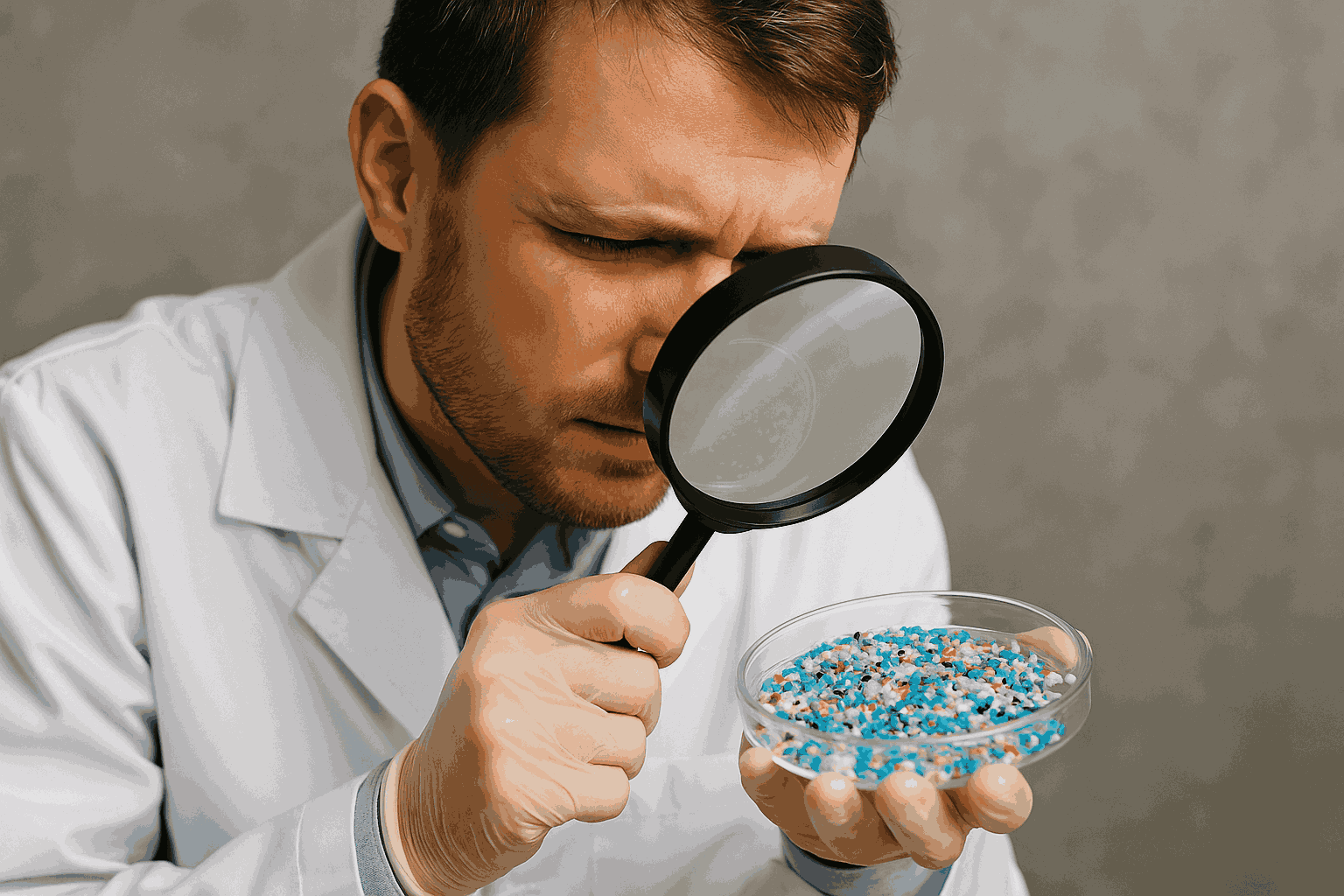
Microplastics have become a pressing environmental issue with significant impacts on human health and ecosystems. Their widespread presence in oceans, soil, air, food, and even drinking water poses a serious health risk.
That’s why understanding the dangers of microplastics and the steps we can take to minimize exposure to these harmful particles is crucial.
What are Microplastics? Definition and Simple Explanation
Microplastics are tiny plastic particles, typically less than 5 millimeters in size. These particles originate from various sources, including the degradation of larger plastic waste, synthetic textiles, and industrial products.
Microplastics are found in a wide range of environments, including oceans, soil, air, and even the food and water we consume every day.
Read also: 7 Meanings of the Triangle Codes on Plastic Packaging You Need to Know
a. How are Microplastics Formed?
Microplastics are formed through the fragmentation of larger plastic materials into smaller particles. Common sources include plastic bags, bottles, and packaging materials that are part of our daily lives.
When exposed to sunlight and other environmental factors, these plastic items degrade into smaller pieces that can pollute the environment.
b. Where are Microplastics Often Found?
Microplastics are found in diverse environments, highlighting the scale of pollution they cause. In oceans, microplastics accumulate and disrupt marine ecosystems, threatening fish and other marine organisms that depend on aquatic environments.
Microplastics also contaminate soil, which can affect plant growth and soil quality, ultimately impacting food production. In the air, these particles can become airborne and be inhaled by humans, potentially leading to serious health issues.
Most concerningly, microplastics have been detected in food and drinking water, posing a direct threat to human health. This makes microplastic pollution a serious issue that must be addressed to safeguard both public health and the environment.
Impact of Microplastics on Human Health
Microplastics can negatively affect human health. When these particles enter the body, they have the potential to interfere with hormonal systems, leading to a variety of long-term health issues. Microplastics can interact with hormones and disrupt the normal function of the endocrine system. This disruption may impact growth, development, and reproductive health.
In addition, microplastics can trigger inflammation and cause cellular damage. Exposure to these particles can lead to an overactive immune response, resulting in chronic inflammation. This condition has been linked to several diseases, including heart disease, diabetes, and even cancer.
Various studies have shown that microplastic particles can be found in different human organs, including the lungs, bloodstream, and digestive system. The accumulation of microplastics in these organs may cause serious health complications.
Therefore, the health risks associated with microplastics cannot be overlooked, and efforts must be made to minimize exposure to these hazardous particles..
Microplastics and the Environment: A Threat to Natural Ecosystems
Microplastics do not only harm human health but also pollute the environment. This growing pollution poses a serious threat to ecosystems.
a. How Do Microplastics Contaminate Water and Soil?
Microplastics can accumulate in seas and rivers, polluting aquatic environments and disturbing the food chain. Tiny organisms ingest microplastics, which are then eaten by larger predators.
The long-term impact of microplastic pollution may lead to a decline in biodiversity and overall ecosystem health. Microplastics can disrupt the natural balance of ecosystems and affect species that depend on these environments for survival.
The Crucial Role of Industries in Reducing Microplastic Risks
Industries play a vital role in reducing microplastic risks. Their commitment to sustainable practices is essential to protecting human health and the environment.
a. Producing Durable and Recyclable Packaging
Companies are increasingly committed to producing environmentally friendly packaging designed to minimize plastic waste. By using materials that are less likely to fragment, they help reduce the presence of microplastics in nature.
b. Innovating Materials to Minimize Microplastic Impact
Innovation in materials that are resistant to fragmentation is crucial. Collaboration between industries and researchers can lead to sustainable solutions to combat microplastic pollution.
Read also: Advantages of Plastic Packaging for Food Products Compared to Other Packaging Types
How Individuals Can Help Reduce Microplastics
Communities and individuals also have a key role to play in combating microplastic pollution. Some practical steps include:
1. Reducing Single-Use Plastic
Choosing reusable and durable products helps reduce plastic waste. By cutting back on single-use plastics, we can limit the amount of microplastics entering the environment.
2. Supporting Eco-Friendly Products
Every small step counts. Supporting companies that prioritize sustainability can help reduce microplastic impact. Choosing eco-friendly products, such as those offered by Bioplast, contributes to minimizing negative environmental effects.
For more information, please contact us at +62-21-592-0505 or email: contact@bioplast.co.id