Understanding the psychological triggers that drive gamblers to take risks
Understanding the psychological triggers that drive gamblers to take risks
The Role of Emotion in Gambling
Emotions play a significant role in the decisions that gamblers make. The thrill of winning can produce a euphoric state that encourages individuals to take greater risks. This euphoric feeling is often a powerful psychological trigger, compelling players to place larger bets in hopes of recreating that initial high. Additionally, negative emotions, such as frustration or anger, can lead gamblers to chase losses, often increasing their risk-taking behavior in an attempt to regain what they lost. As players explore various options, they might consider platforms like Betman Casino Australia, which provides a wide range of games in an engaging atmosphere.
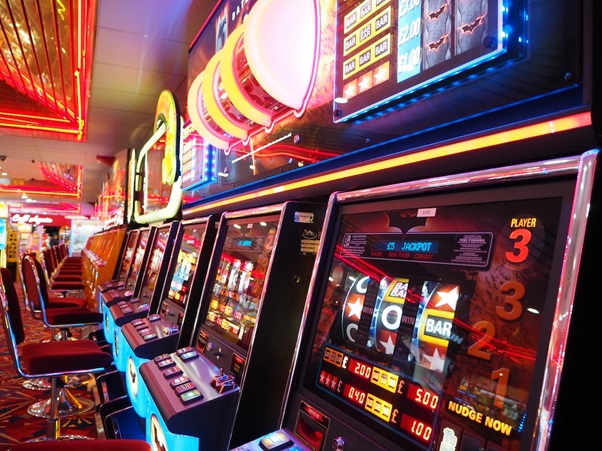
Understanding the interplay between emotions and gambling behaviors can help in designing interventions that promote responsible gambling. By recognizing when they are under emotional stress, players can take steps to avoid making impulsive decisions. For example, a player feeling overwhelmed by excitement might benefit from a break or a period of reflection to prevent reckless betting.
The psychological concept of "loss aversion" also comes into play here. Research indicates that the pain of losing is often felt more intensely than the pleasure of winning. This can lead to a heightened desire to win back losses, prompting gamblers to engage in riskier behavior as they strive to rectify their situation. This cycle of emotion can create a dangerous environment, fueling compulsive gambling tendencies.
The Influence of Cognitive Biases
Cognitive biases significantly impact the decision-making processes of gamblers. One common bias is the "gambler's fallacy," where individuals believe that past outcomes influence future probabilities. For instance, a player may think that a slot machine is "due" for a win after several losses, leading them to take greater risks in hopes of a favorable outcome. Such thinking can distort their perception of reality, resulting in increased financial stakes.
Another prevalent cognitive bias is the illusion of control, where gamblers mistakenly believe they can influence the outcomes of games that are purely based on chance. This belief can be particularly prevalent in games like poker or sports betting, where skill may play a role. Gamblers often overestimate their abilities, which may drive them to take unnecessary risks, thinking they have an edge when, in fact, the odds remain against them.
By understanding these cognitive biases, gamblers can be encouraged to reflect on their thought processes. Education about these mental shortcuts can help individuals recognize when they are falling victim to flawed reasoning. This awareness is crucial for promoting responsible gambling behaviors and mitigating the risks associated with cognitive distortions.
The Environment and Its Impact on Gambling Behavior
The environment in which gambling takes place can significantly influence decision-making and risk-taking behavior. Casinos are designed with specific aesthetics, lighting, and sounds that aim to create an atmosphere of excitement and anticipation. This sensory overload can enhance emotional responses and may lead individuals to make impulsive decisions about their bets.
Social dynamics within gambling environments also play a role. The presence of other gamblers can create a sense of community and shared excitement that encourages individuals to take risks. Observing others winning can amplify the desire to participate and engage in more significant betting. Conversely, the fear of missing out, or FOMO, can pressure individuals into betting more than they initially intended, driven by the excitement around them.
In addition, the layout of a casino can contribute to an environment that encourages prolonged gambling. The absence of clocks and windows can disorient players, making them lose track of time and encouraging them to stay longer. This manipulation of the environment underscores the importance of being aware of external factors that can inadvertently promote excessive gambling behaviors.
The Impact of Social and Peer Pressure
Social influences significantly affect gambling behavior, especially among individuals who are new to the activity. The desire to fit in or impress peers can lead to riskier behavior, as gamblers might feel compelled to adopt the risk tolerance displayed by their companions. This is particularly evident in group gambling situations, where camaraderie can amplify the urge to bet larger amounts.
Peer pressure can also manifest in competitive environments, such as tournaments, where participants may feel a need to outperform others. This competitive spirit can distort risk assessment, leading individuals to make decisions based on social dynamics rather than personal financial considerations. The resulting pressure can propel them into taking higher stakes than they would alone, illustrating the powerful impact of social context on gambling behavior.
Furthermore, the social validation of gambling experiences can influence how individuals perceive their behavior. Positive reinforcement from peers—whether it’s through shared stories of wins or celebratory behaviors—can create a feedback loop that encourages continued risk-taking. Understanding the role of social dynamics can help gamblers navigate their environments more mindfully, promoting healthier gambling habits.

Betman Casino: Committed to Responsible Gaming
Betman Casino understands the psychological triggers that drive gamblers and is dedicated to fostering a safe gambling environment. The platform offers an array of tools designed to promote responsible gaming, including self-assessment tools, deposit limits, and the option for users to set time-out periods. By prioritizing player welfare, Betman Casino aims to educate its users about the psychological aspects of gambling.
Furthermore, Betman Casino’s customer support team is well-trained to recognize signs of problem gambling and can provide resources and guidance to those in need. With a commitment to transparency and fairness, the casino emphasizes the importance of informed decision-making, helping players to remain mindful of their gambling behaviors.
In conclusion, understanding the psychological triggers behind gambling behavior is crucial for both players and gaming platforms like Betman Casino. By acknowledging these factors, individuals can make more informed choices, while casinos can promote a safer gambling environment that prioritizes player health and responsible gaming practices. The goal is to create an enjoyable experience that respects the complexities of human psychology in the world of gambling.